The Role of Luck in Casino Games
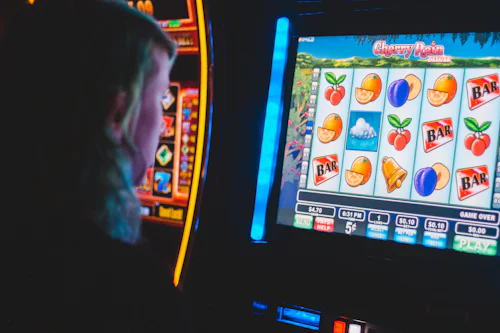
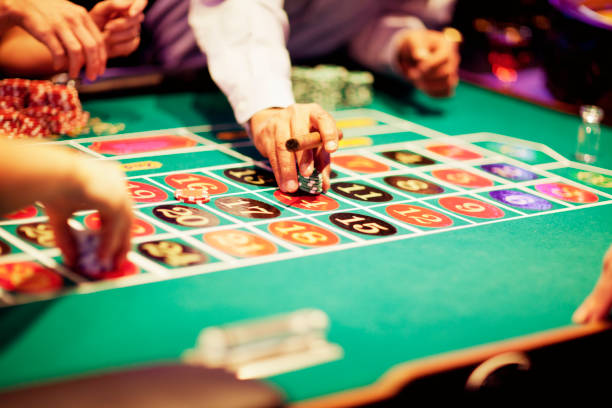
Luck is an undeniable aspect of casino games, influencing outcomes in ways that players may not always recognize. Many games, such as slot machines and roulette, are predominantly chance-based. Winning at these games relies heavily on random number generators or physical randomness, meaning that no amount of strategy can guarantee a successful outcome. For those seeking immediate returns, the option of an instant withdrawal casino uk provides an added layer of excitement, as the thrill of hitting a jackpot or landing on a lucky number adds excitement and draws many players to the casino environment, creating an electric atmosphere filled with anticipation.
Moreover, players often find solace in the idea of luck. The notion that a fortunate streak can arrive at any moment encourages individuals to engage, sometimes leading to what is referred to as ”the gambler’s fallacy” – the belief that past events influence future outcomes in independent probability scenarios. This psychological aspect demonstrates how deeply intertwined luck is with the gambling experience, providing a sense of hope that can be both motivating and misleading. Players often cling to stories of incredible wins, reinforcing the allure of luck in their gaming endeavors.
While luck is essential, it is also crucial to recognize its limitations. Over-relying on luck can lead to poor financial decisions, and players may find themselves on the losing end when they depend solely on chance. This reality highlights that while luck can provide significant wins, it is not a reliable strategy for long-term success in casinos. Acknowledging the role of luck can help players manage their expectations and approach gambling with a more balanced mindset, understanding that while luck can favor them today, it may not do so tomorrow.
The Importance of Skill in Strategy-Based Games
Skill becomes increasingly important in games that require strategy and decision-making, such as poker and blackjack. These games allow players to employ techniques and strategies to enhance their odds of winning. In poker, for instance, understanding probabilities, reading opponents, and mastering the psychology of betting are critical components that separate successful players from novices. Here, skill is directly tied to the ability to make informed decisions based on the game situation, emphasizing the importance of experience and knowledge in achieving favorable outcomes.
In blackjack, players can use strategies like card counting to tilt the odds in their favor. Although casinos have implemented measures to combat card counting, the basic principle of decision-making remains. Players can make choices about when to hit, stand, double down, or split based on the cards in play, which can significantly impact the outcome of the game. This strategic component illustrates how skill can lead to consistent winnings, unlike games purely based on luck. Moreover, skilled players often develop a deeper understanding of game mechanics, allowing them to adapt their strategies in real-time.
The balance between luck and skill varies among players. Some may possess an innate ability to read situations and adjust their approach, while others may struggle despite understanding the rules. Ultimately, developing skills in games that require strategy can empower players to manage their bankroll more effectively, make calculated bets, and potentially achieve greater success in the long term. As players invest time in honing their skills, they often find that their confidence grows alongside their understanding of the game.
The Hybrid Nature of Many Casino Games
Many casino games incorporate both luck and skill, leading to complex dynamics for players. A classic example is video poker, which combines elements of chance with strategic decision-making. The initial hand dealt is determined by luck, but how players choose to draw cards can heavily influence the outcome. Successful players know when to hold on to certain cards and when to draw others, showcasing the interplay between these two factors. This hybrid model often attracts a diverse range of players who appreciate both the thrill of luck and the challenge of skill.
Additionally, sports betting represents another area where luck and skill coexist. Bettors rely on their knowledge of teams, player statistics, and injuries to make informed wagers—this is the skill aspect. However, unforeseen events during games can quickly shift results, emphasizing the unpredictable nature of luck in this context. This blend of luck and skill creates an engaging environment for players, allowing for varying strategies based on personal insights and external circumstances, which can lead to both exhilarating wins and unexpected losses.
This blend of luck and skill creates an engaging environment for casino enthusiasts. Players often find joy in mastering the skill aspects of their favorite games, all while acknowledging the element of luck that can either make or break a session. Understanding how to navigate this duality ultimately enhances the overall gambling experience, encouraging growth and strategic thinking. As players learn to balance their strategic approaches with the unpredictable nature of luck, they cultivate a more nuanced and fulfilling gambling journey.
The Psychological Impact of Luck Versus Skill
The ongoing debate of luck versus skill in casinos also has significant psychological implications for players. The feeling of control is an essential factor when playing games of skill, as individuals believe their decisions influence outcomes. This perception can lead to higher levels of enjoyment and satisfaction, as players feel empowered by their abilities. Conversely, games dominated by luck can induce feelings of frustration when outcomes don’t favor the player, leading to a rollercoaster of emotions that can affect their overall experience and approach to gambling.
Moreover, the role of cognitive biases cannot be overlooked. Players often overestimate their luck and underestimate the importance of skill. This cognitive distortion can lead to overconfidence in their gambling decisions, resulting in longer sessions and increased losses. The psychology of luck can create a volatile gambling experience, where fluctuations in fortune drive emotional highs and lows. Recognizing these biases is crucial for players who wish to cultivate a more responsible gambling habit and to understand when to step back and reassess their strategies.
To mitigate these psychological pitfalls, players should strive to maintain a balanced perspective. Understanding the role of skill in enhancing game outcomes can foster a more responsible approach to gambling. Furthermore, recognizing the inherent randomness that luck entails can help set realistic expectations and reduce the likelihood of emotional distress during gaming sessions. By embracing both luck and skill, players can navigate the complexities of gambling with greater awareness and confidence, ultimately leading to a more enjoyable experience.
Conclusion and Resources for Players
In conclusion, the interplay between luck and skill in casinos creates a rich and varied experience for players. While games reliant on luck can bring quick thrills and excitement, skill-based games offer deeper engagement and strategic planning opportunities. Each player’s approach will vary, reflecting personal preferences, experiences, and understanding of game mechanics. Recognizing this diversity can enrich the player community and foster a broader appreciation for the various aspects of gaming.
For those looking to improve their skills and maximize their enjoyment of casino games, various resources are available. Educational materials can provide insights into strategies, tips, and tricks that enhance gameplay. Additionally, forums and communities can offer valuable discussions and experiences shared among players, fostering a sense of camaraderie and learning. Engaging with these resources can help players refine their skills, understand the nuances of different games, and ultimately enhance their overall gambling experience.
In summary, whether a player leans more towards luck or skill, finding a balance between the two can lead to a more fulfilling casino experience. The key is to enjoy the journey, learn from each gaming session, and continually strive to improve one’s understanding of both the luck and skill aspects of gambling. This balanced perspective will not only enhance enjoyment but also contribute to a more sustainable and responsible approach to gaming in the long run.